Baptiste Emil Søiland
Giggo
Reliable job searching for digital nomads
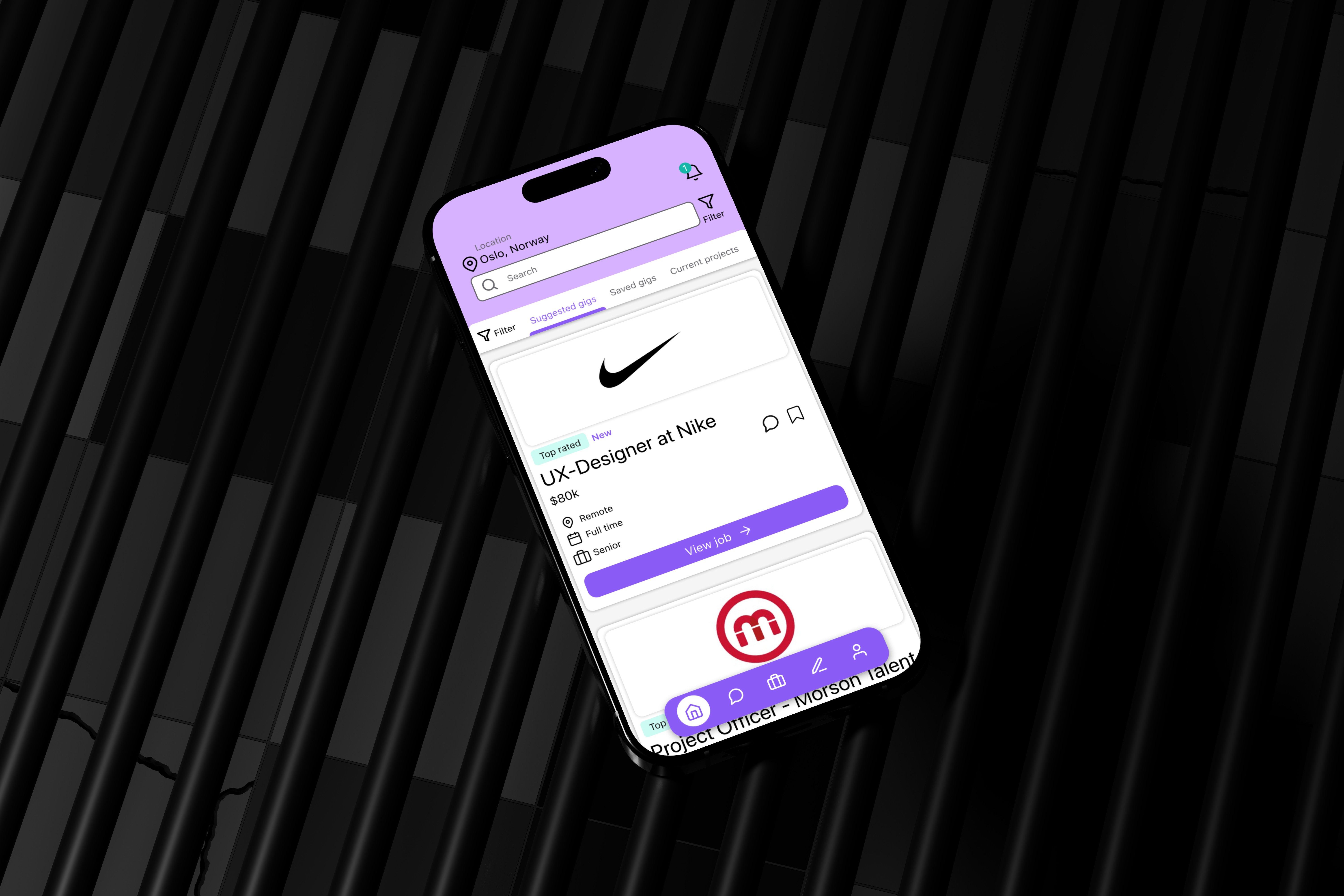
GigGo is a mobile-first app designed to help digital nomads find reliable, flexible work opportunities. Existing platforms like Upwork and Fiverr are saturated, confusing, and often untrustworthy.
Type
Student project
Duration
2 months
Roles
Research, user testing, UI design
The goal
Our goal was to design a streamlined job search hub that balances flexibility, structure, and trust for nomads who live and work on the move.
The process
Research goals
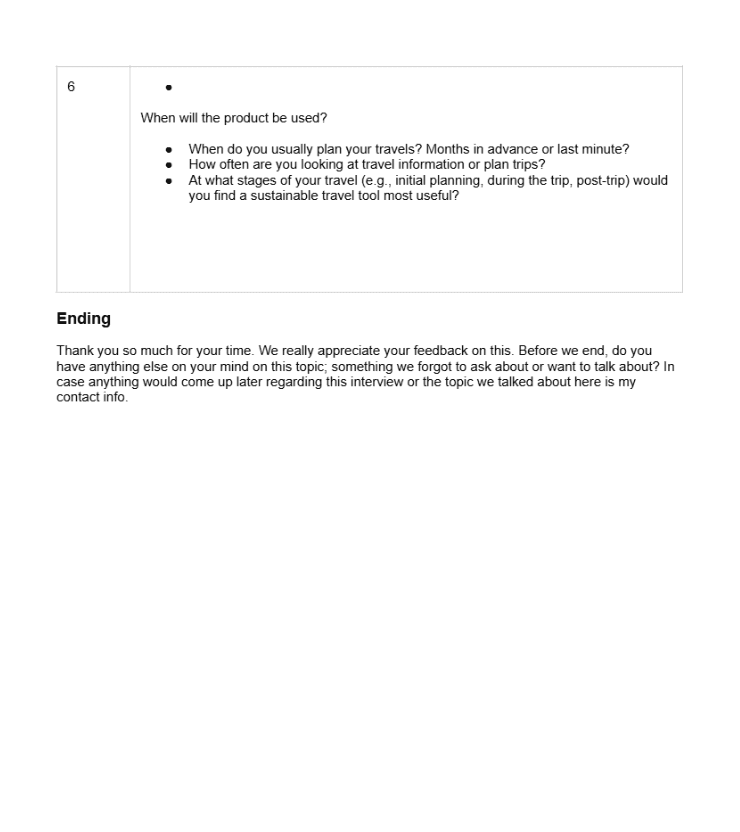
To ensure we researched effectively, and to stay focused on our users pain points, our research was centered around these goals.
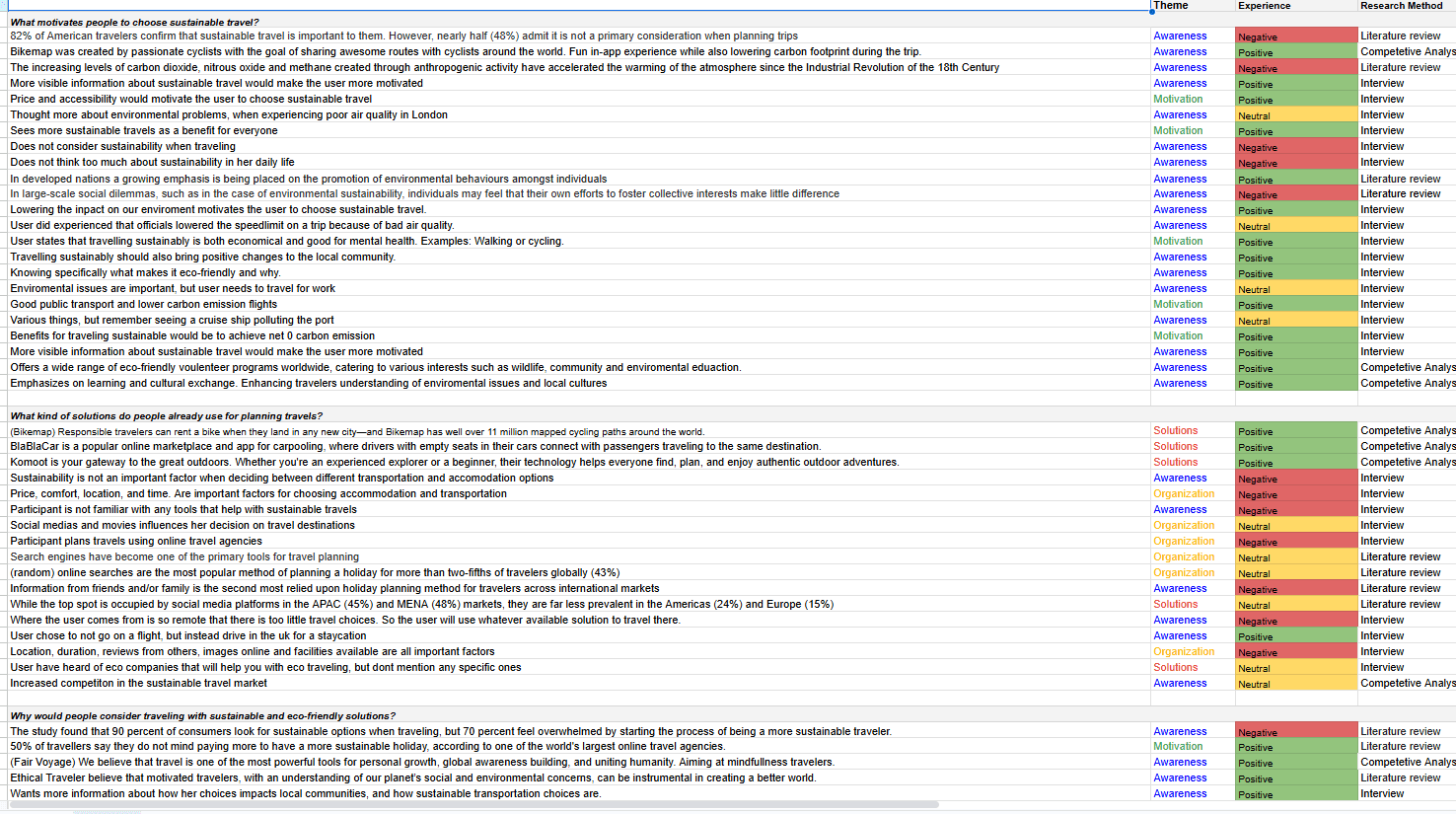
What motivates people to choose sustainable travel?
What kind of solutions do people already use for planning travels?
Why would people consider traveling with sustainable and eco-friendly solutions?
How can we motivate users to choose sustainable traveling solutions?
Where and when will the product be used?
Discovering the challenges
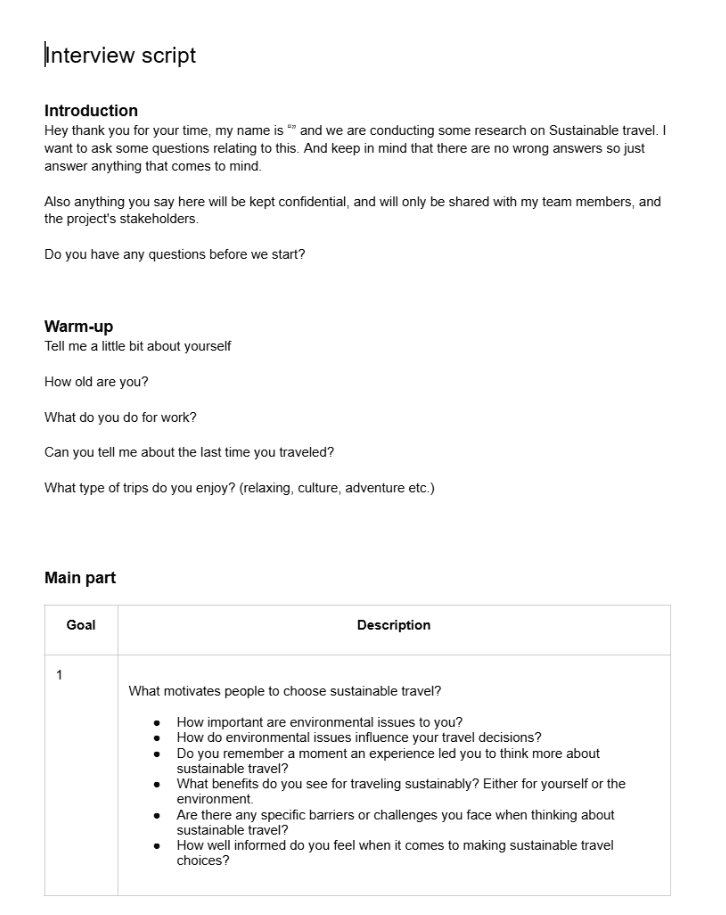
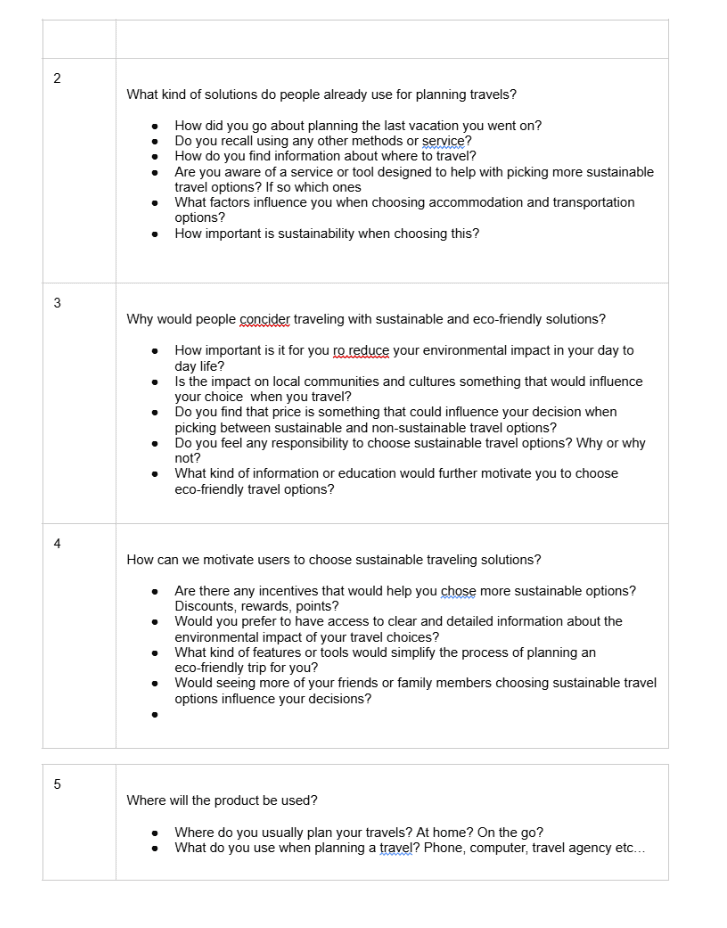
We wanted a mix of qualitative and quantitative data, so we chose to conduct both literary reviews and interviews. This helped us understand who are users are, and what they struggle with.
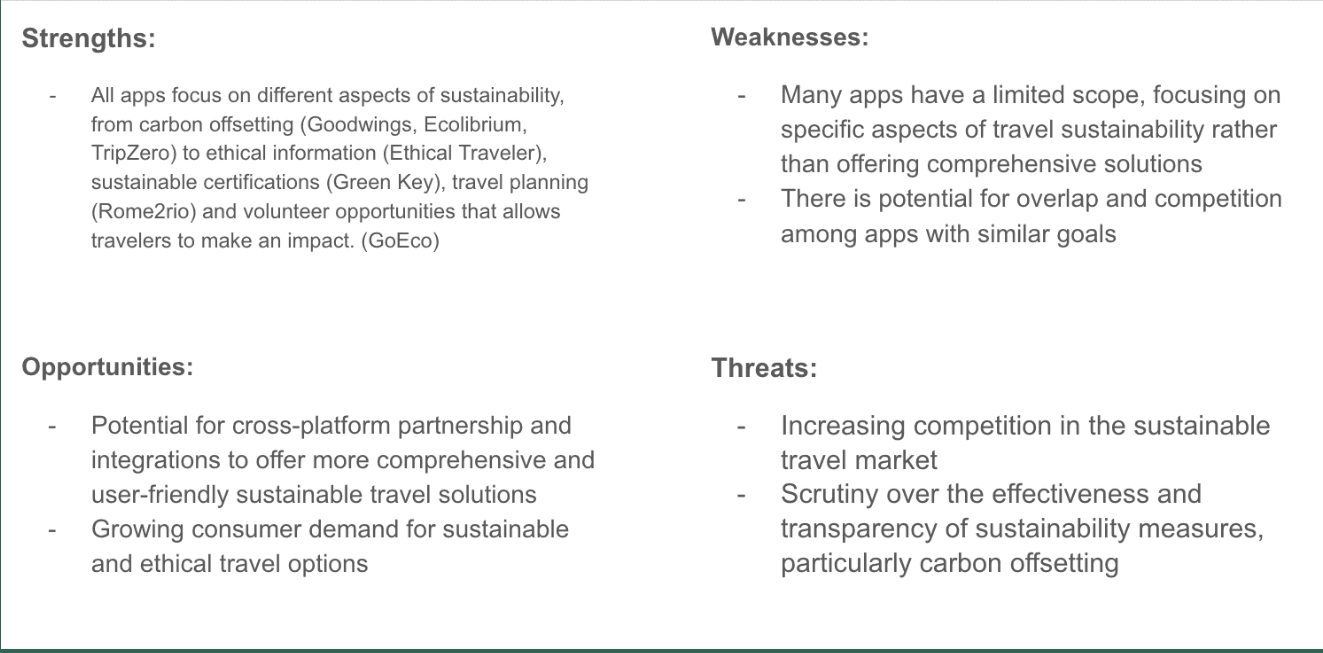
We also conducted a SWOT analysis to get a better understanding on how they face their challenges today.
Design system
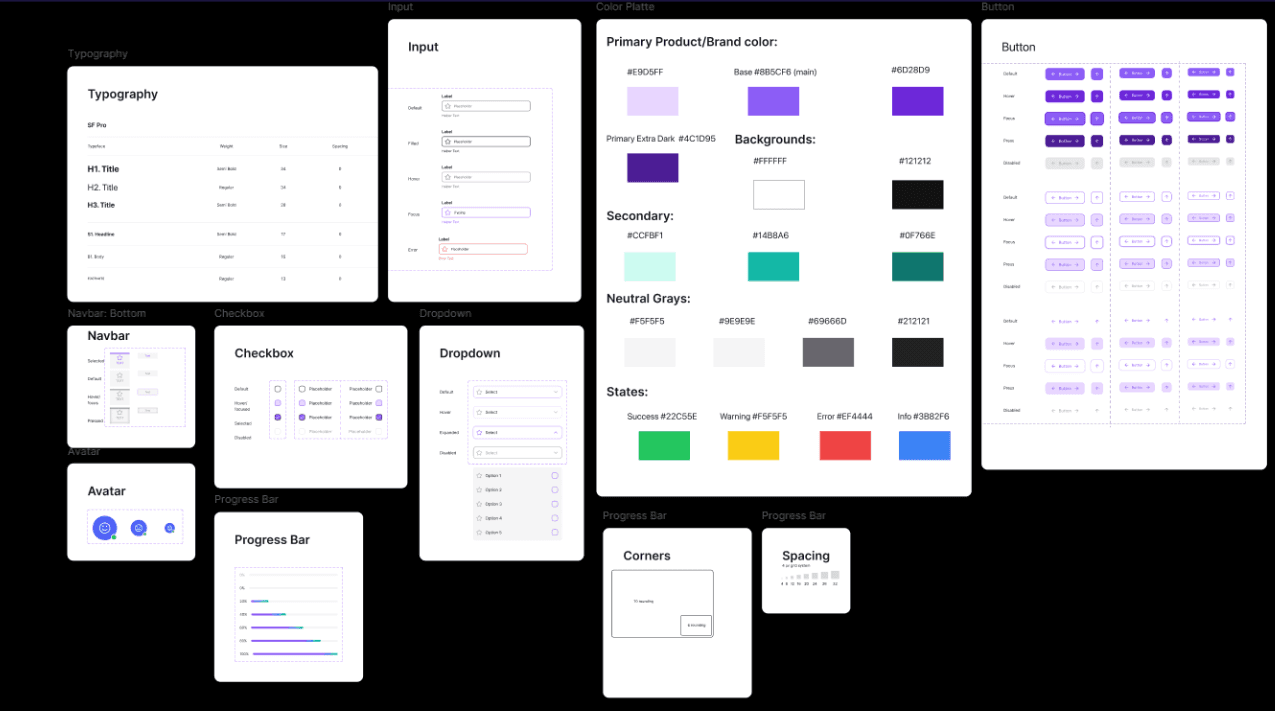
Before we started designing our final prototype we developed a design sytem. We did this for easy modification and scalability, defining reusable compnents (atoms, molecules and organisms) we can easily make changes that cascade across all screens. A design system also ensures our design is consistent.
Final design
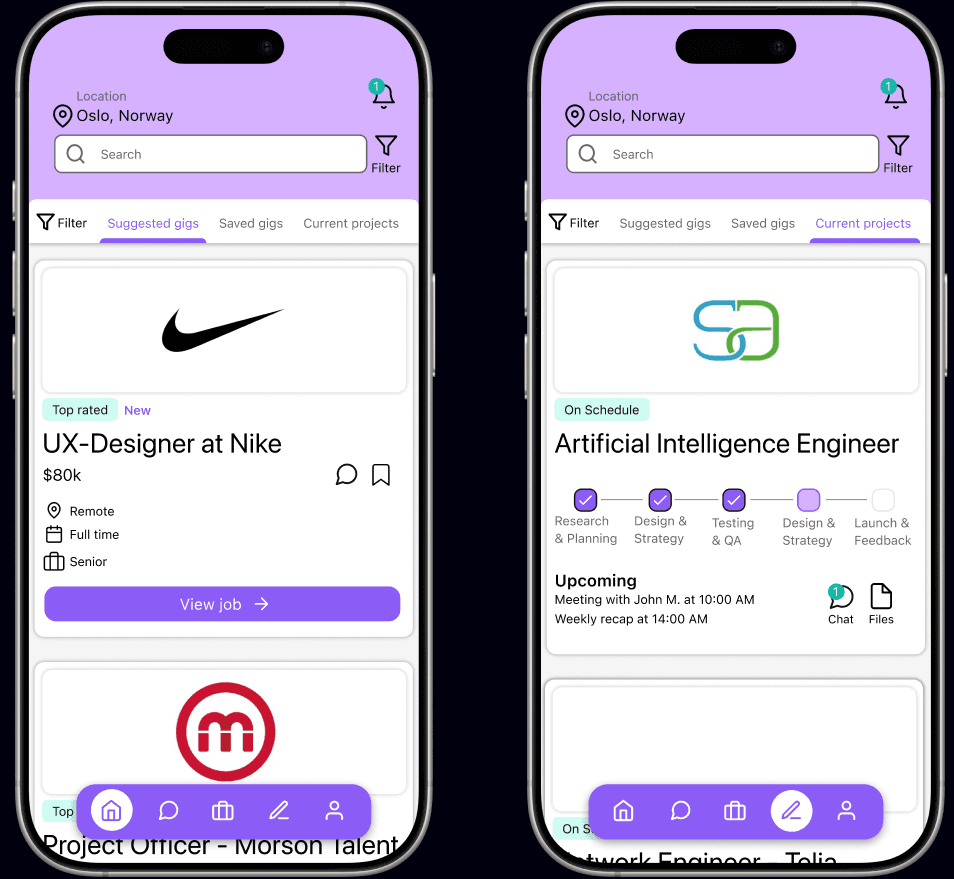
Aesthetic & Minimalist Design
Clean UI with whitespace, soft color palette, and uncluttered layouts. Reduced text-heavy screens such as dashboard into more organized screens through chunking. We changed the dashboards into switchable views, and improved the card design by utilizing more whitespace highlighting only important information, these changes were linked to our feedback from user testing.
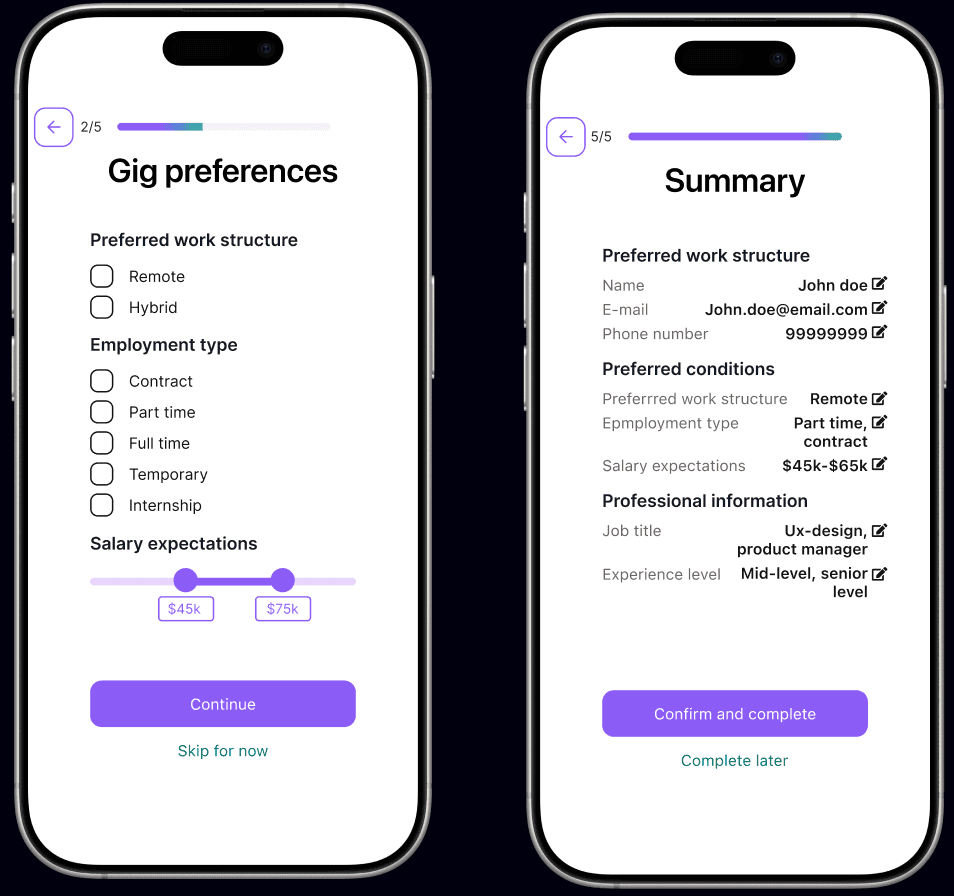
Color & Typography for Trust
Professional color palette for credibility, keeping color use to a minimum, using it mainly for important CTA. Larger, bolder headings for hierarchy.
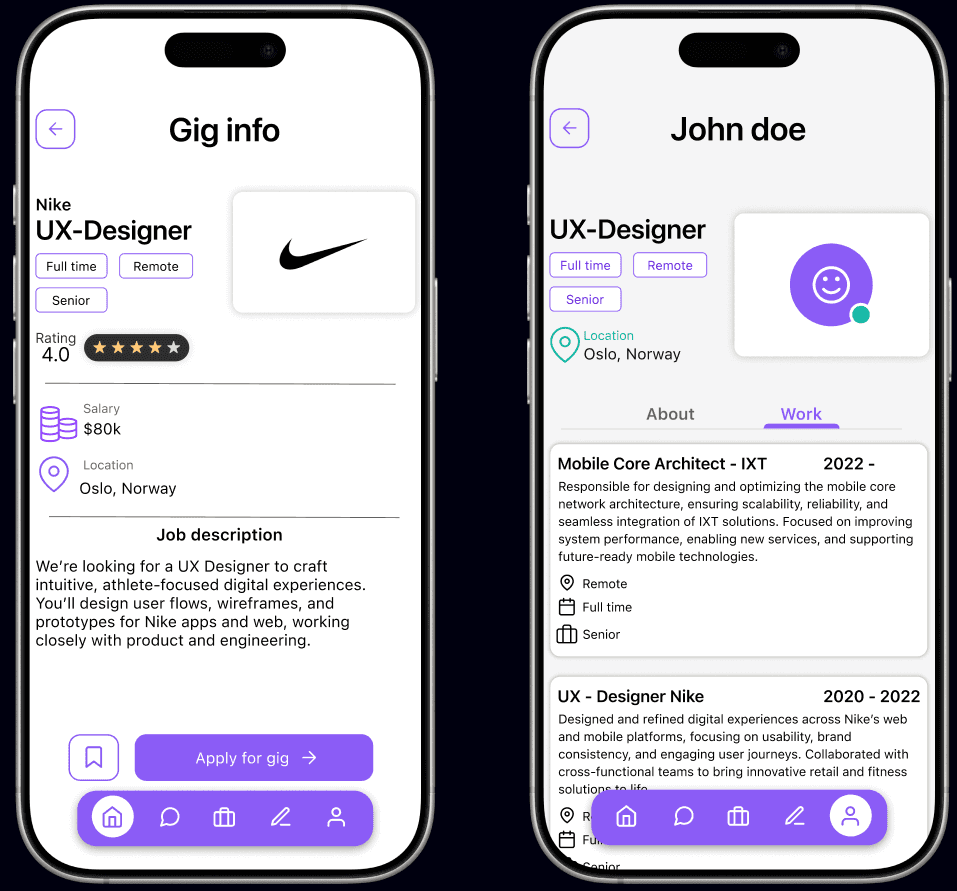
Consistency & Standards
Repeated UI patterns (cards, forms, filters).
User test
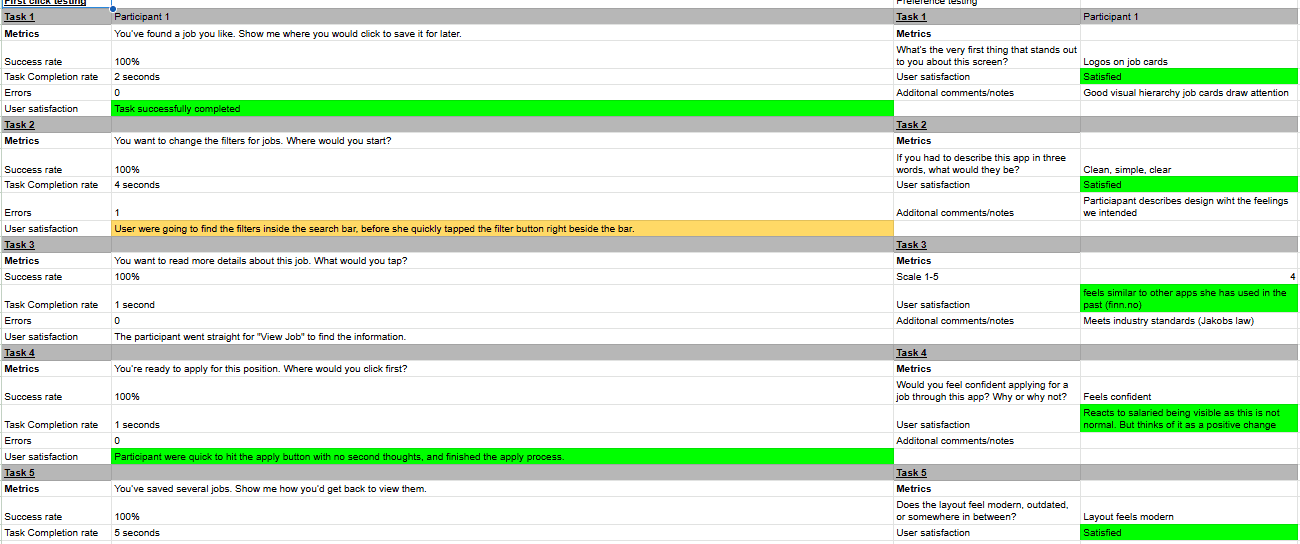
Overall the users we tested with were satisfied with our solution and validated our design decisions. The design felt clean, modern and intuitive. Through our first click testing we validated that visual hierarchy and content clarity were clear. Through our single concept preference test we were able to validate the visual direction and our design decisions. We did however receive feedback on icon choices on the bottom nav bar, as they did not clearly convey their function. Adding labels to these would be our next iteration
My thoughts
Overall I'm happy and proud wtih how this turned out. We were thourough in our approach to the process, worked with a clear sturctured workflow. And our design was grounded in user needs, focusing on mobile first, clear navigation and familiar usability. At the same time, our initial idea was too broad, and we were trying to solve too many problems. We lacked focus and prioritization early. If i were to do this again i would keep focus on a few key problems, and keep the scope narrow early on. As well as this, in our inital interview round we used a google survey due too time constraints. We lost some depth here not being able to ask follow up questions. I would rather focus on fewer but more rich interviews. We learned a valuable lesson how good UX design is about making clear trade-offs, staying focused on key issues and not getting overly ambitious.